Showing posts with label APlante. Show all posts

Saturday, December 28, 2013

Baby it's Hot Outside, at the Fairchild Tropical Botanic Garden

Wings of the Tropics exhibit at Fairchild
My grandparents are the sort of folks that are commonly called "snow birds."  They're retirees from up north who travel south to Florida when the weather gets chilly in the fall.  As I walked through Knoxville's January chill, I found myself thinking of my grandparents and all the other snow birds.  Although I enjoy winter and everything the winter landscape has to offer, there are times that I miss the heat of summer and the sight of vibrant, actively growing plants.

Last winter, I satisfied that desire by making a trek down to Miami to see the Fairchild Tropical Botanical Garden.  I got a special tour from my friend Nathan who had just finished an internship with the Fairchild.  Although the weather in Knoxville was frightful, Miami was muggy and in the high 70's, and everything was bursting with life.

During his internship, Nathan helped install the new "Wings of the Tropics" exhibit.  I'd been following the progress on Facebook, and I was really pleased to visit in person.  Visitors are able to closely observe thousands of tropical butterflies as they flutter about the 25,000 square foot pseudo-conservatory.  If you've ever visited an established conservatory, like the one at the U.S. Botanic Garden, Missouri Botanic, etc., then you can recall images of towering trees arching toward the ceiling.
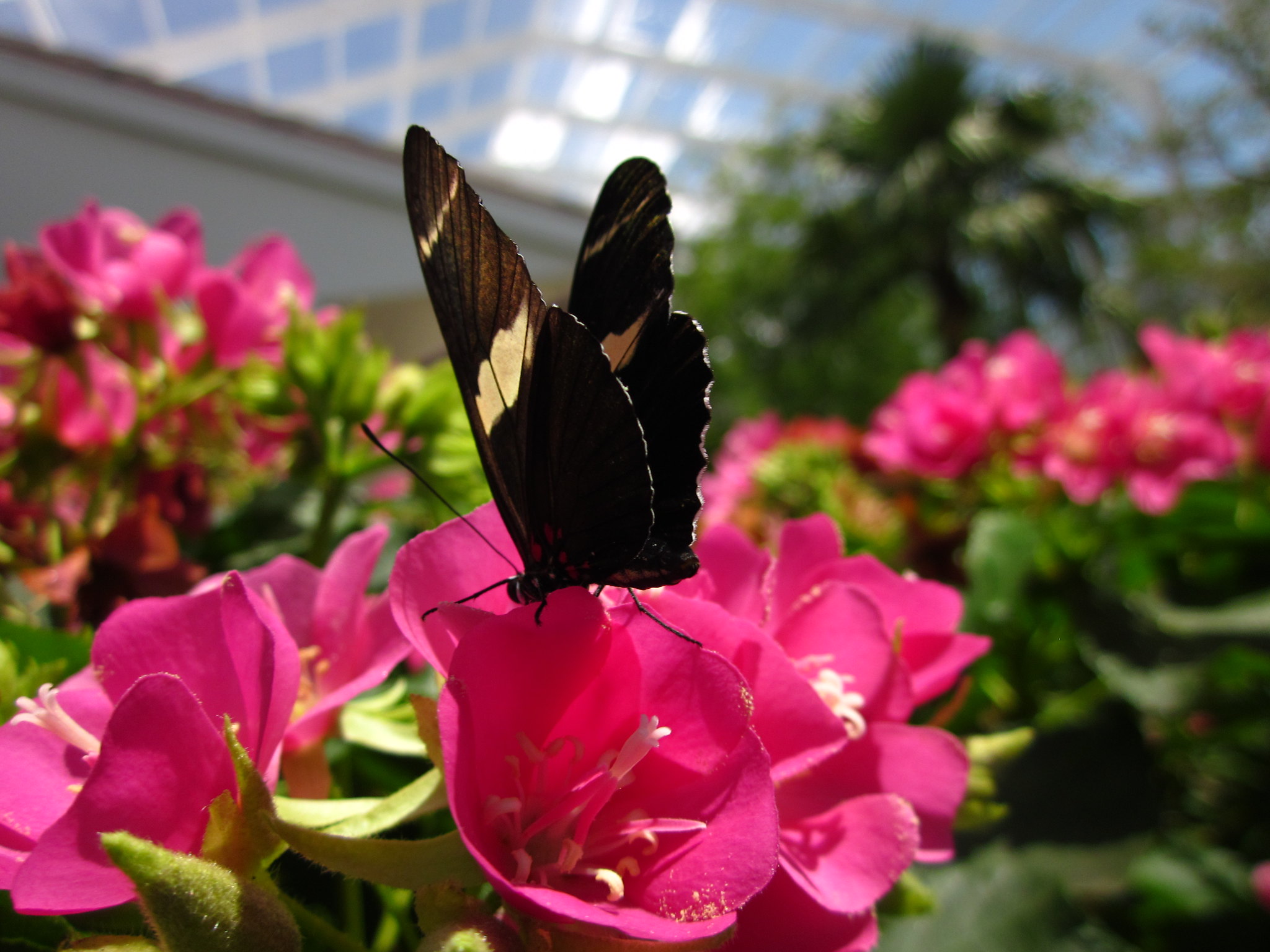
Wings of the Tropics exhibit at Fairchild
One of my favorite parts about my visit to Fairchild was seeing a newly installed conservatory.  It was kind of like seeing a child whose parents had bought clothes that were a bit too big, knowing they would soon grow into them.  The trees were usually only about 15 feet tall.  The perennials and shrubs, correctly spaced, had bare earth between.  Swaths of annuals filled empty space, earmarked for future, more permanent plantings.  It was really something to behold.  It will be interesting to go back once things have filled in a bit more and matured.

The exhibit included a babbling brook, feeding stations, host plants to support the butterfly population, and a window into a laboratory where larvae and chrysalises are nurtured as replacements.  At a set time every day, visitors had the opportunity to release freshly emerging butterflies into the main house.  With wet crumpled appendages, the butterflies would crawl onto an extended finger, and wait until their bodies dried in the sunshine.  After a moment or two, they would unfurl their wings and fly off in search of nectar.

Nathan strikes a pose with some papayas
he'd planted during his internship
Another area Nathan worked in was the Edible Garden.  The garden included a variety of traditional and unusual fruits.  I learned that dragon fruit comes from an epiphytic cactus.  We checked on Nathan's "babies" -- the papayas he had planted two months earlier.  We tasted a selection of especially unfamiliar fruits, with the permission of garden staff of course.

Some of my other favorite areas included the Palm and Cycad Collection that showcases more than 1500 palms, the Keys Coastal Habitat where we tromped through a couple of mangroves and listened for birds, and Richard H. Simons Rainforest.  Flower spikes of various orchids reached from tree branches, like a cat pawing for attention.  A creek cheerily sang through dappled shade.  Overhead, some kind of a hawk rested in the branch of a tree.

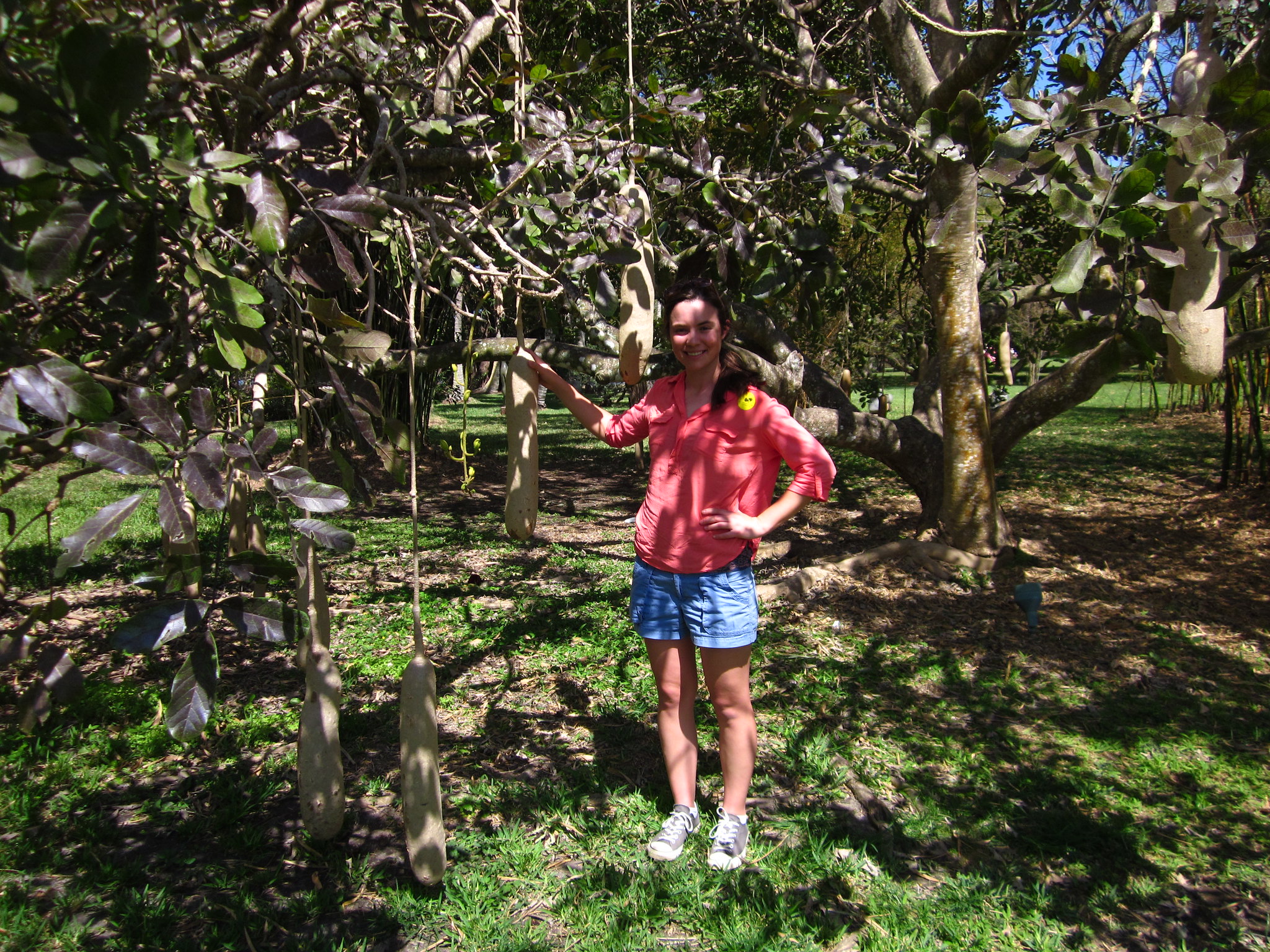
In addition to plant conservation and collection, the Fairchild also offers an artistic outlet.  There are a few Chihuly pieces on the property, within the Tropical Plant Conservatory and out on the grounds. The "Sitting Naturally" exhibit, profiled in the ever popular Garden Design magazine, was on display during our visit.  Down near the mangroves, past the "Sausage Tree", a marble carving class was in session.
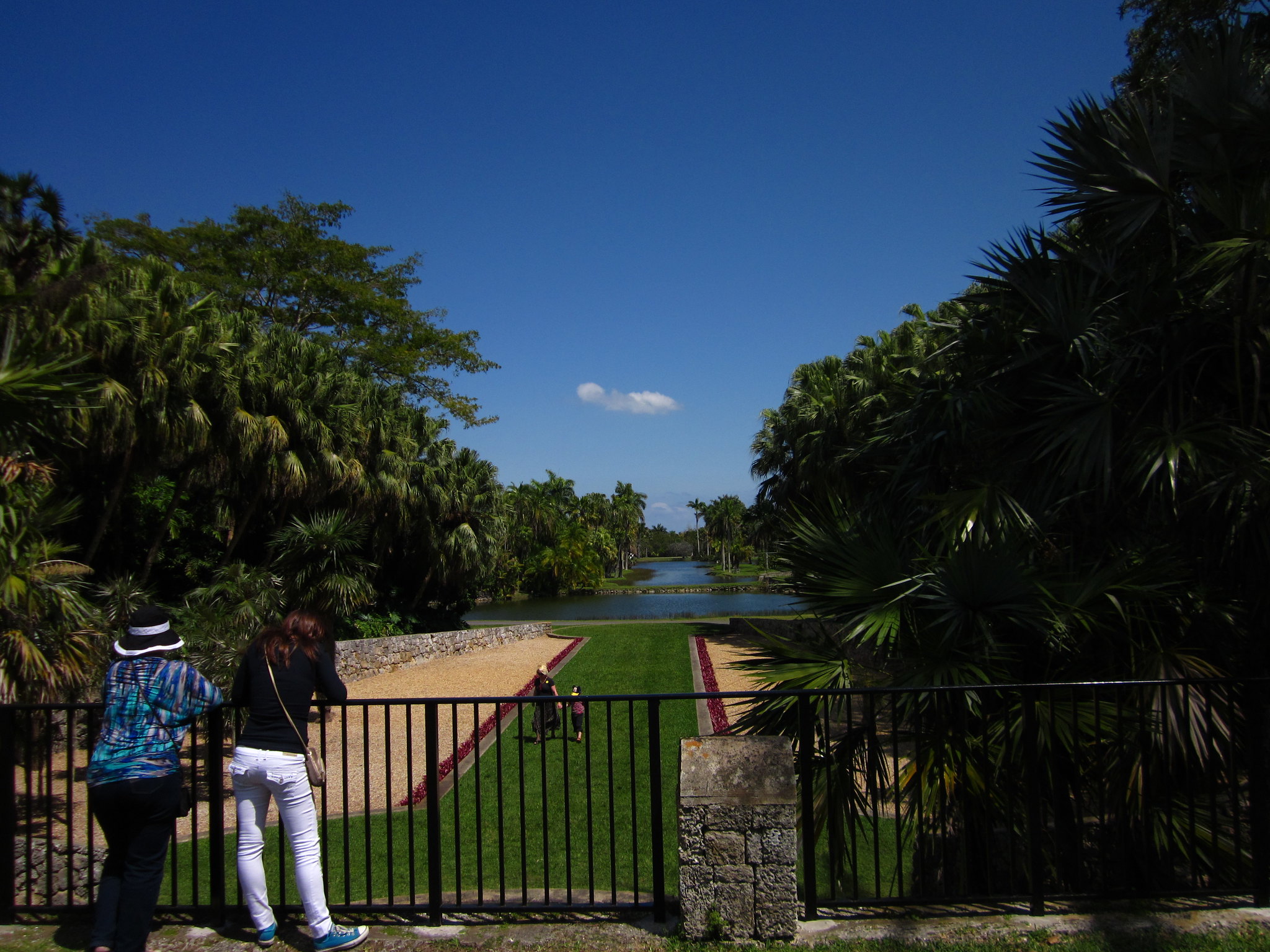
Water fountains were interspersed around the property, and cold drinks were available at drink stands.  Peckish visitors were able to satisfy their hunger at the Glasshouse Cafe, Lakeside Cafe, or could grab some Starbucks coffee and a pastry at the Shops at Fairchild.  There were also several buildings equipped with clean restrooms.

All in all, it was a really fantastic visit.  The staff was friendly and knowledgeable, the grounds were vibrant and well tended, and I actually forgot that it was the middle of winter.  My main suggestion is that when you plan your trip, bring weather appropriate clothes, a hat, and comfortable walking shoes.  You'll have more fun if you're dressed comfortably.  Sunscreen and sunglasses may also come in handy.

Other important considerations when planning your visit:

  • Hours of operation: 7:30 a.m. to 4:30 p.m.
  • Admission:
    • Adults: $25
    • Seniors: $18
    • Youths age 6 to 17: $12
    • Children age 5 and under: Free
    • Fairchild Members: Free
  • Parking: Free
  • Accessibility:
    • Wheelchairs are available to use free of charge, and may be borrowed from any garden entrance point.
    • Shuttle service is available to various points of the garden.
    • Tram tours of the garden are available.
    • Trams are equipped with two hearing aids for hearing impaired visitors.
  • Pets:
    • Pets are not permitted on the property, with the exception of "Dog Day" and "Howl-O-Ween".
    • Service animals are permitted on the property.
Special thanks to my cohort Nathan for inspiring the visit with his Facebook updates, for giving me the ground tour and journeying to the end of I-95 with me.  Also thanks to my grandparents who put me up at their home in Florida.

To see more of my photos from our trip to the Fairchild Tropical Botanic Garden, be sure to check out my flickr set.

If you have any questions, ideas, or suggestions, please feel welcome to leave a comment on this post or shoot me an email.

Tell us about a visit to a tropical horticultural destination, real or planned.  Where would you go?  What would you do?
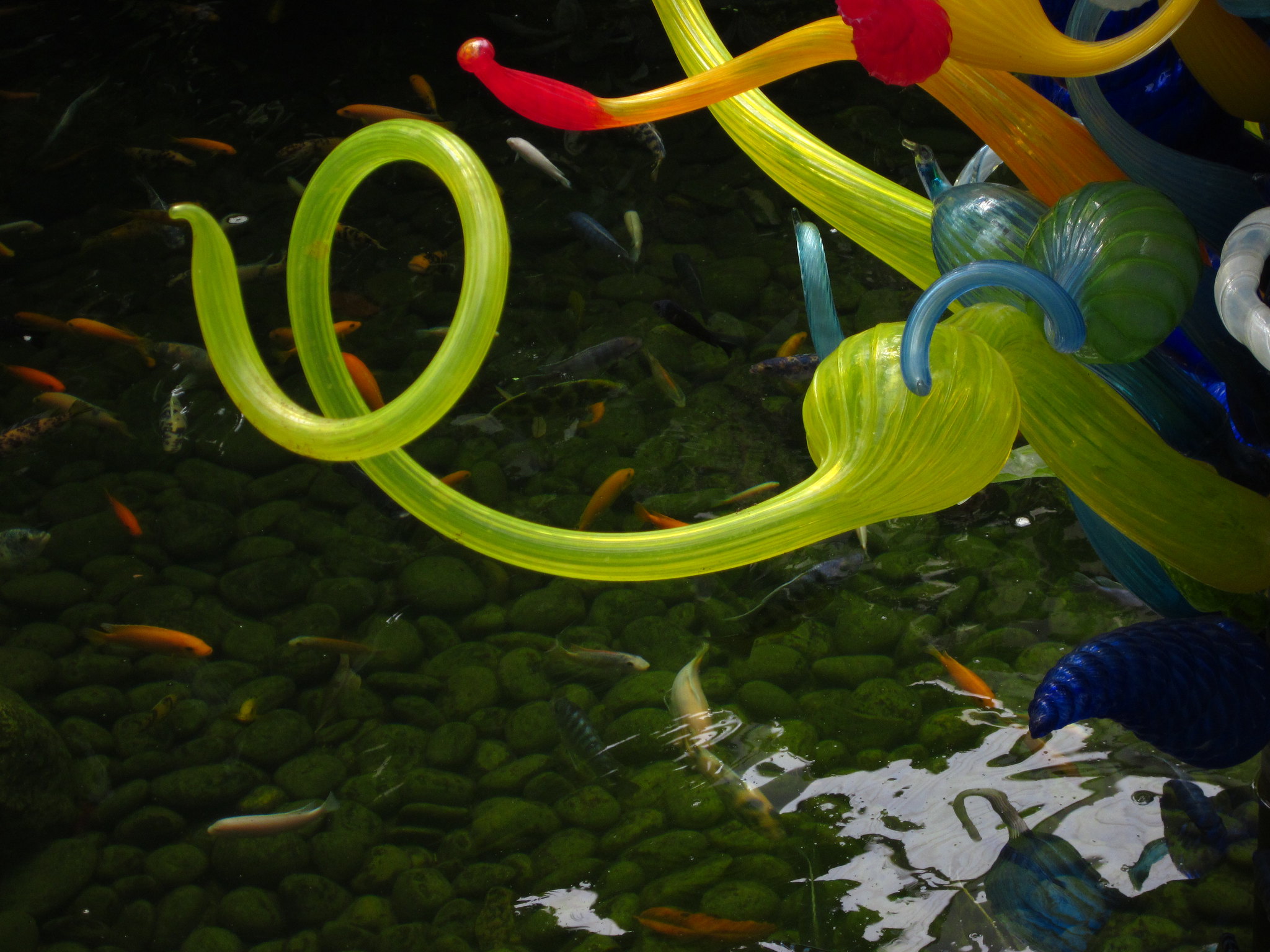
This Chihuly glass piece complements the colorful goldfish in the Tropical Plant Conservatory
The Palm and Cycad collection is home to more than 1500 palms and 350 cycad


For anyone wondering just what exactly a Sausage Tree looks like...

Friday, July 12, 2013

Light Up the Night at Cheekwood Botanical Garden

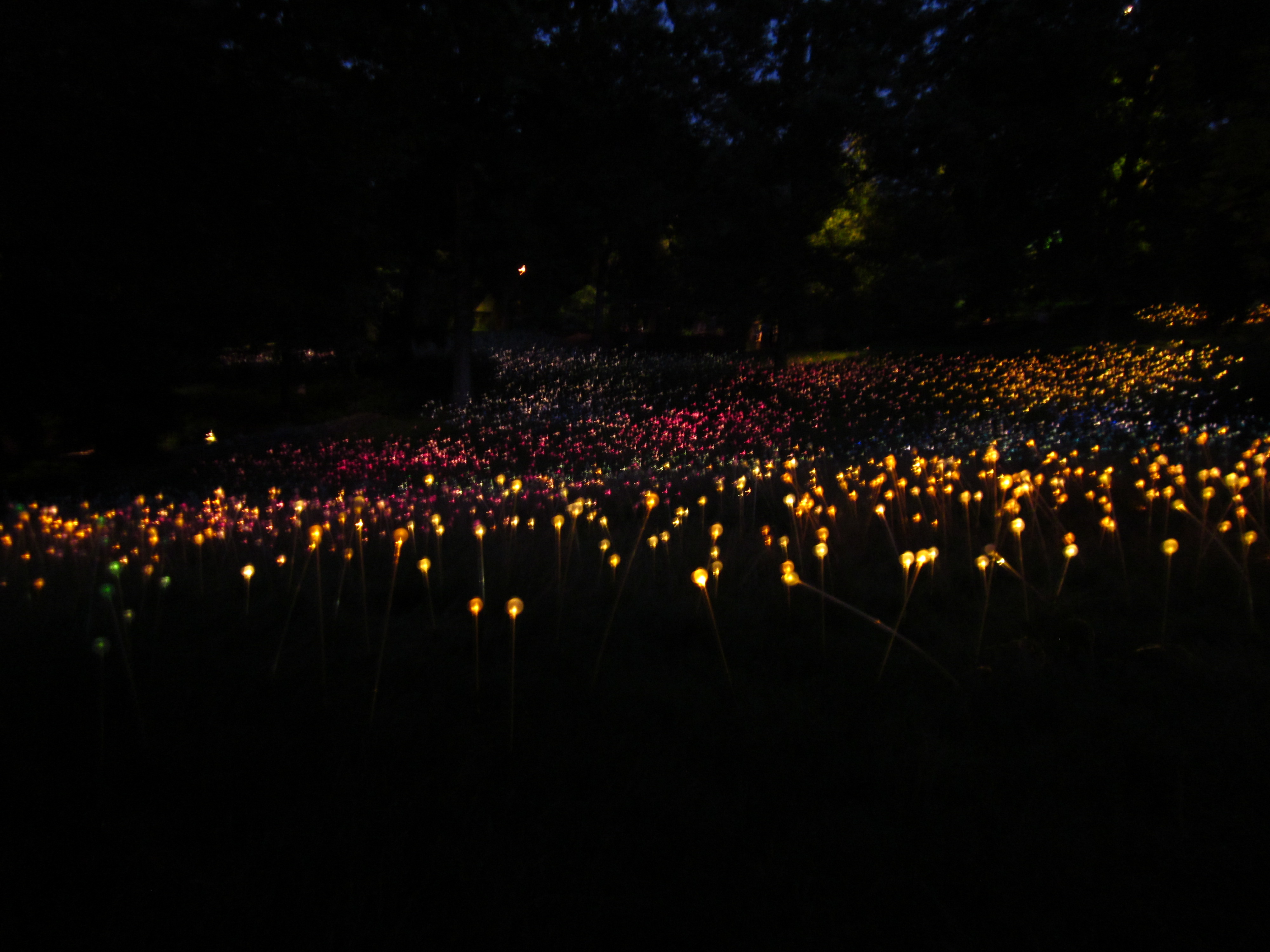
Bruce Munro's Field of Light at Cheekwood Botanic Garden
Garden aficionados may go out of their way to visit a garden they've never seen before.  After the first visit, it often takes a special event to coax visitors into returning.  Nashville's Cheekwood Botanical Garden and Museum cooks up something special every year, from Chihuly Nights to Big Bugs.  When I heard about this year's Bruce Munro LIGHT, that piqued my interest enough to spur a drive across the state and revisit this fabulous garden.

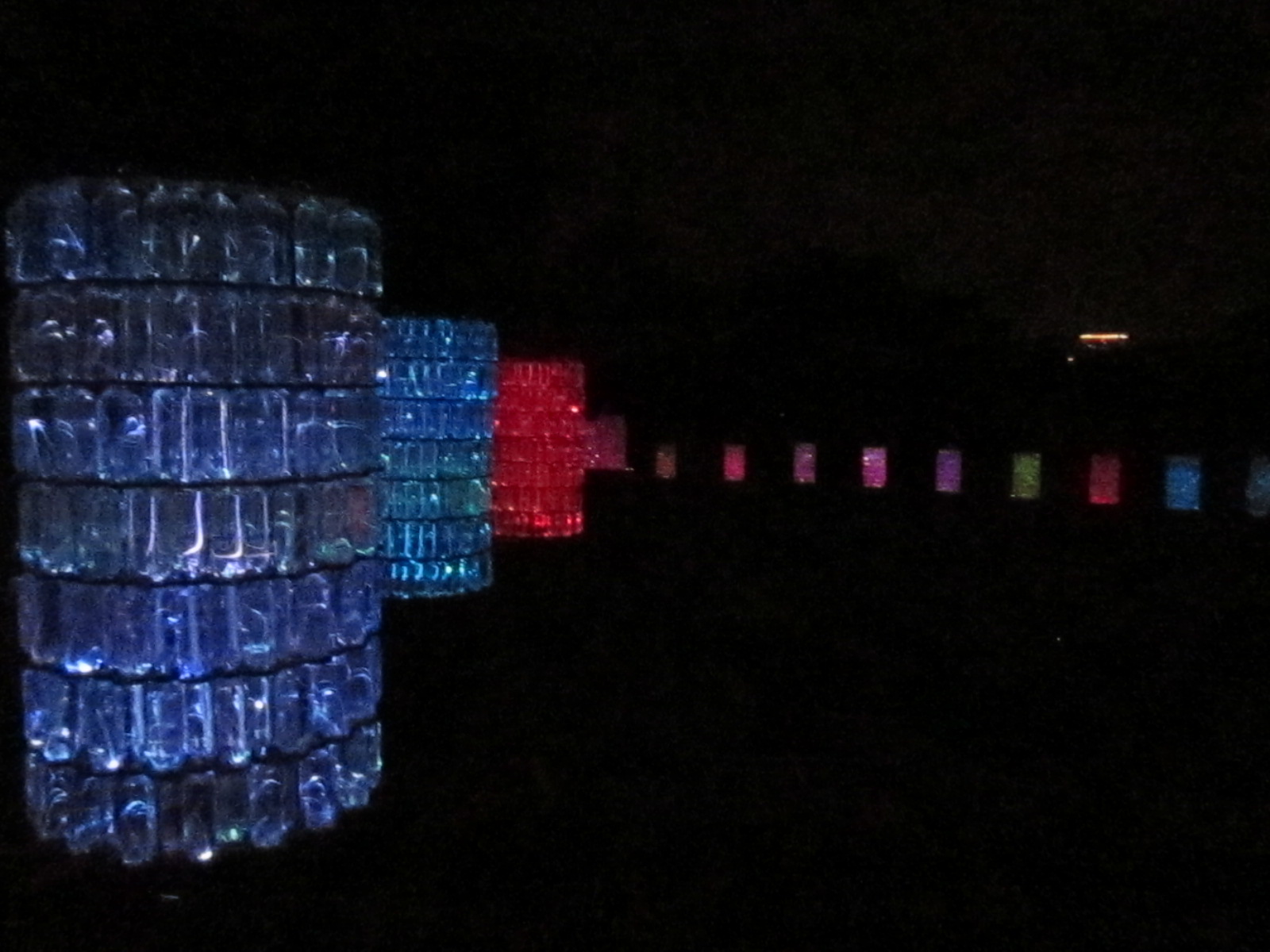
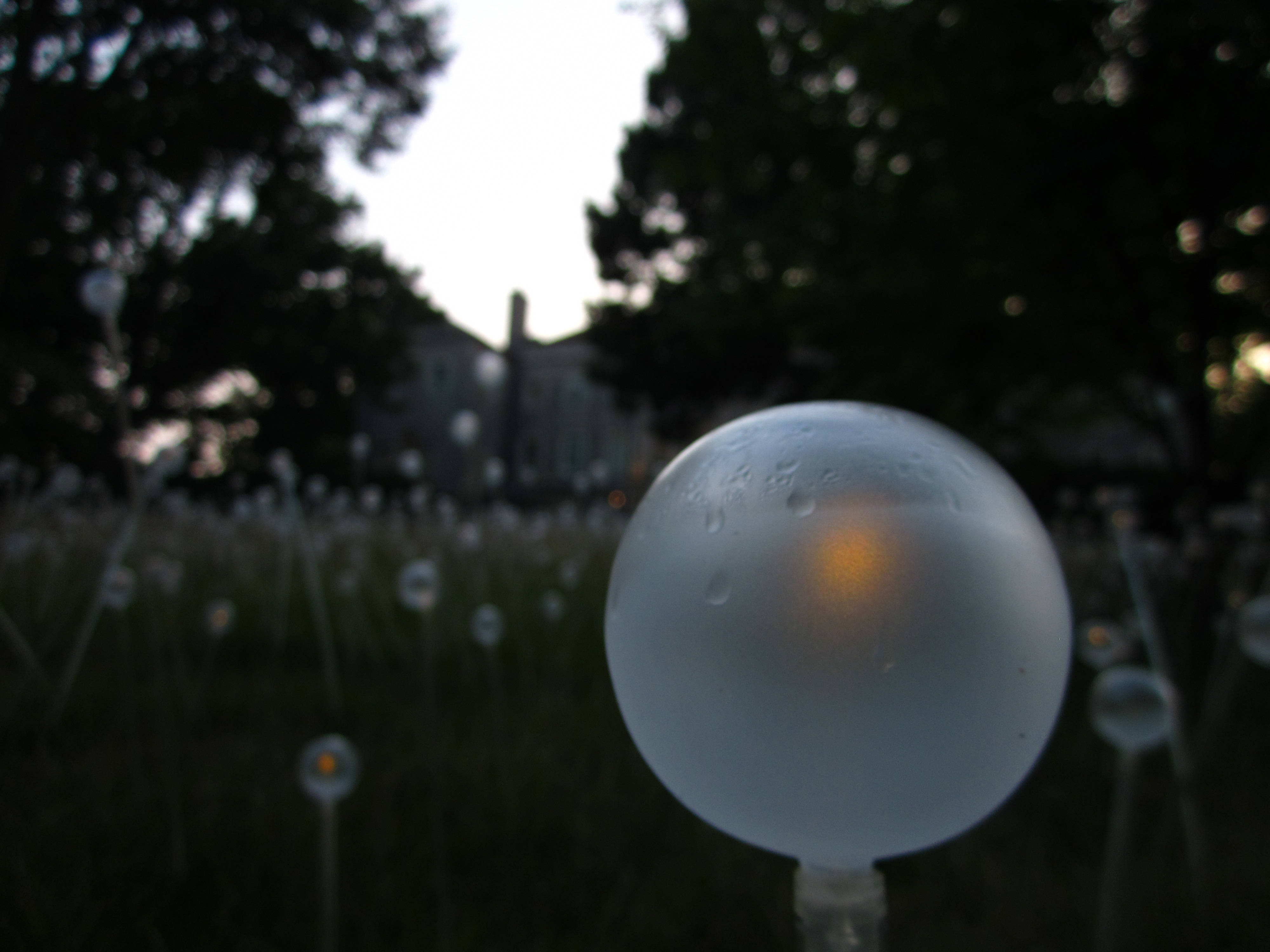
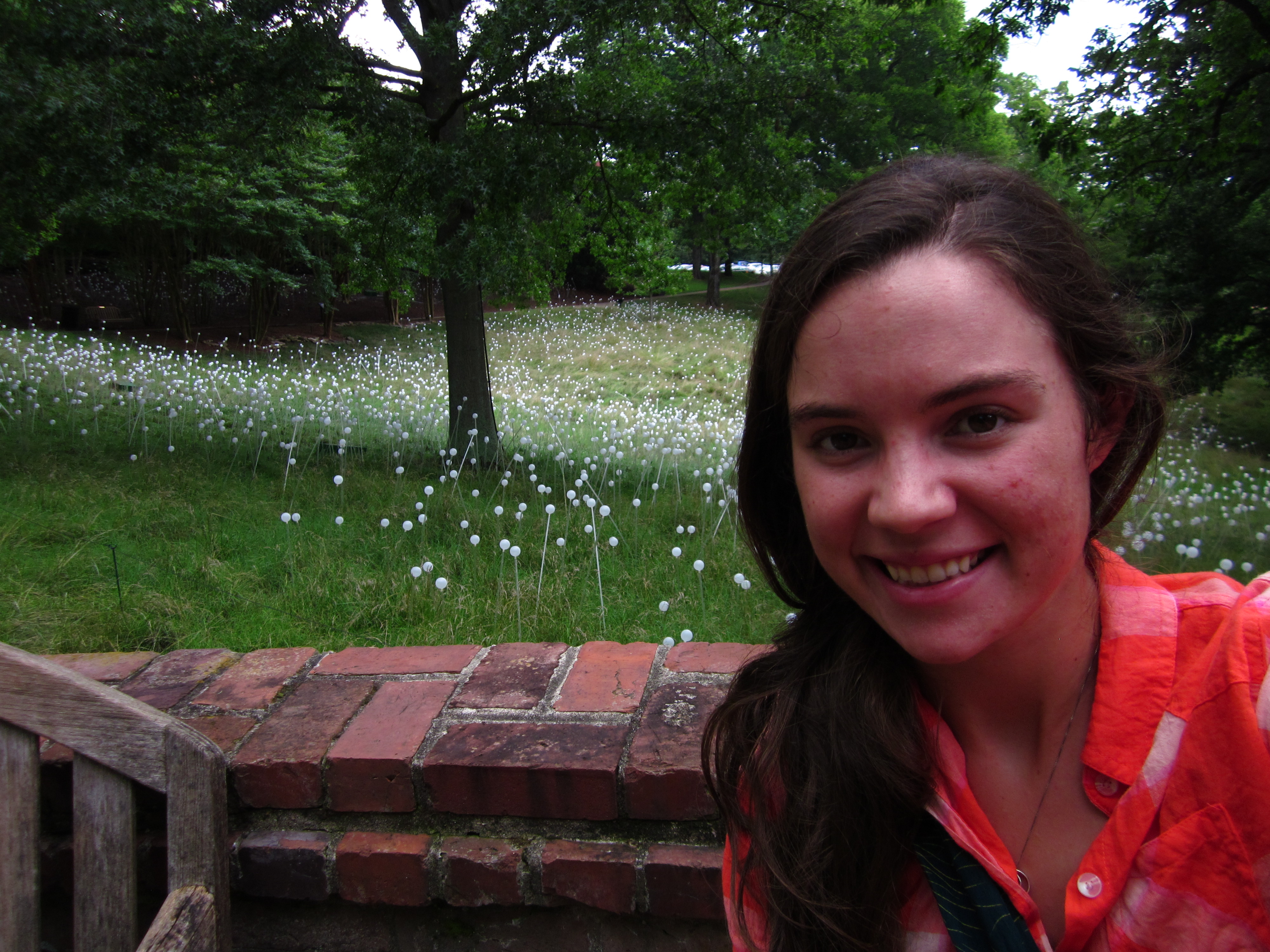
Munro's dazzling displays feature fiber optic light as art.  The outdoor section of the exhibit has seven arrangements, including firefly-like lights throughout the bamboo grove in the Japanese garden, 40 water towers near the Botanic Hall that collectively contain over 10,000 recycled water bottles, and a massive field of light that fills the open space between the East Gardens and the Museum of Art with 20,000 glass spheres.  Wow.

These towers are made of recycled water bottles.
Each bottle contains thread for fiber optic lights.
Bruce also created several pieces that are showcased within the Museum of Art.  Keep your eyes peeled for my favorite from the indoor collection -- the interactive piece "Pop Princess."  I would have missed it completely if a kindly security guard in the adjacent stairwell had not walked me through it.

Garden hours were extended until 11:00 p.m. for optimum viewing experience.  During my visit mid-July, the show started just after 8:00.  If you're not much of a night owl, consider visiting later in the year when the days are longer.  Plan to visit before the exhibit closes November 10th.

Music lovers will especially enjoy the lights during "First Tennessee Fridays".  Live music will be scattered at several locations around the garden.  However, first fridays do get very crowded.  If you'd prefer to avoid large crowds, the exhibit is less busy on Wednesdays and Thursdays.

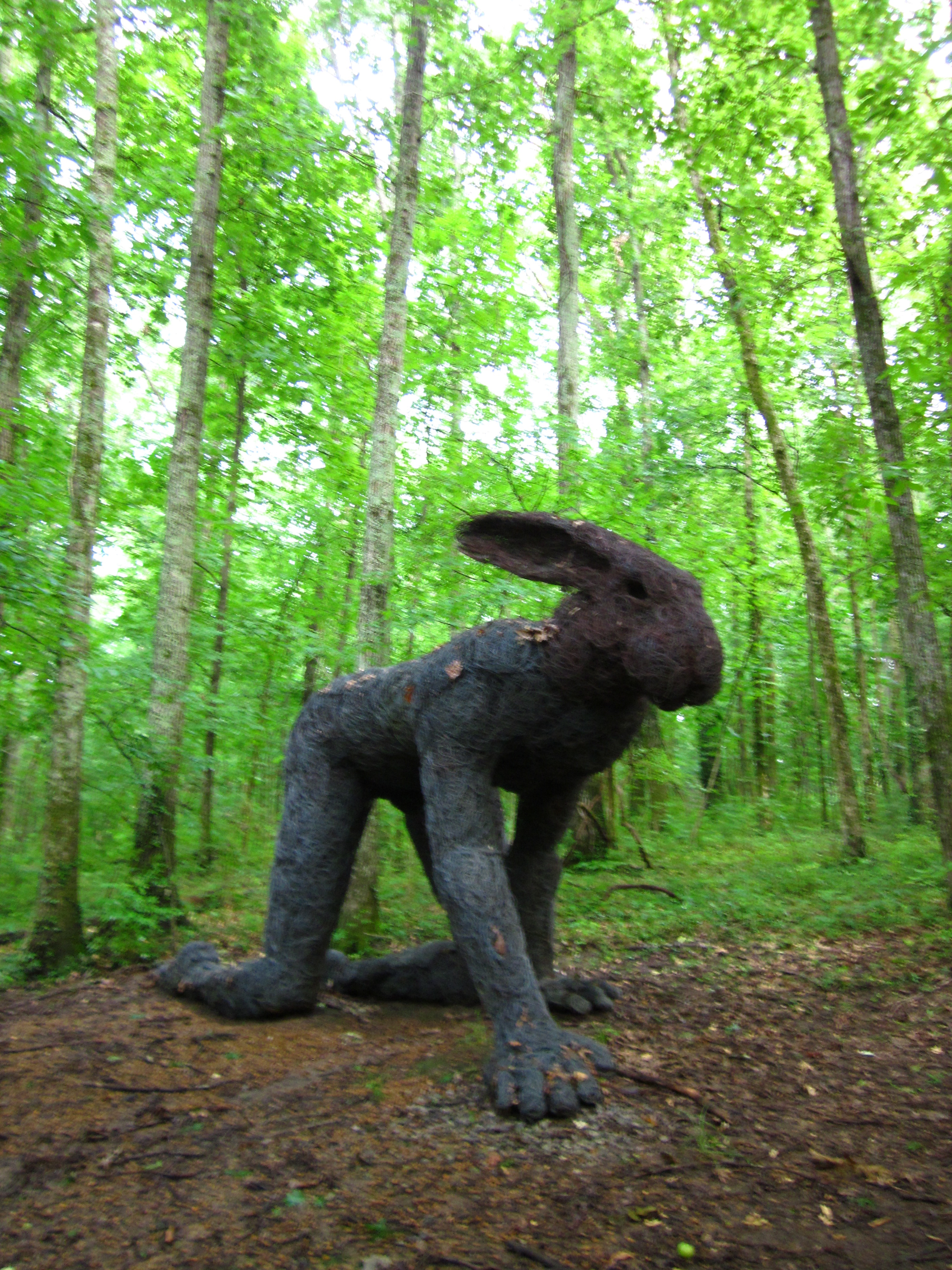
"Crawling Lady Hare" in Cheekwood's
Carell Woodland Sculpture Trail
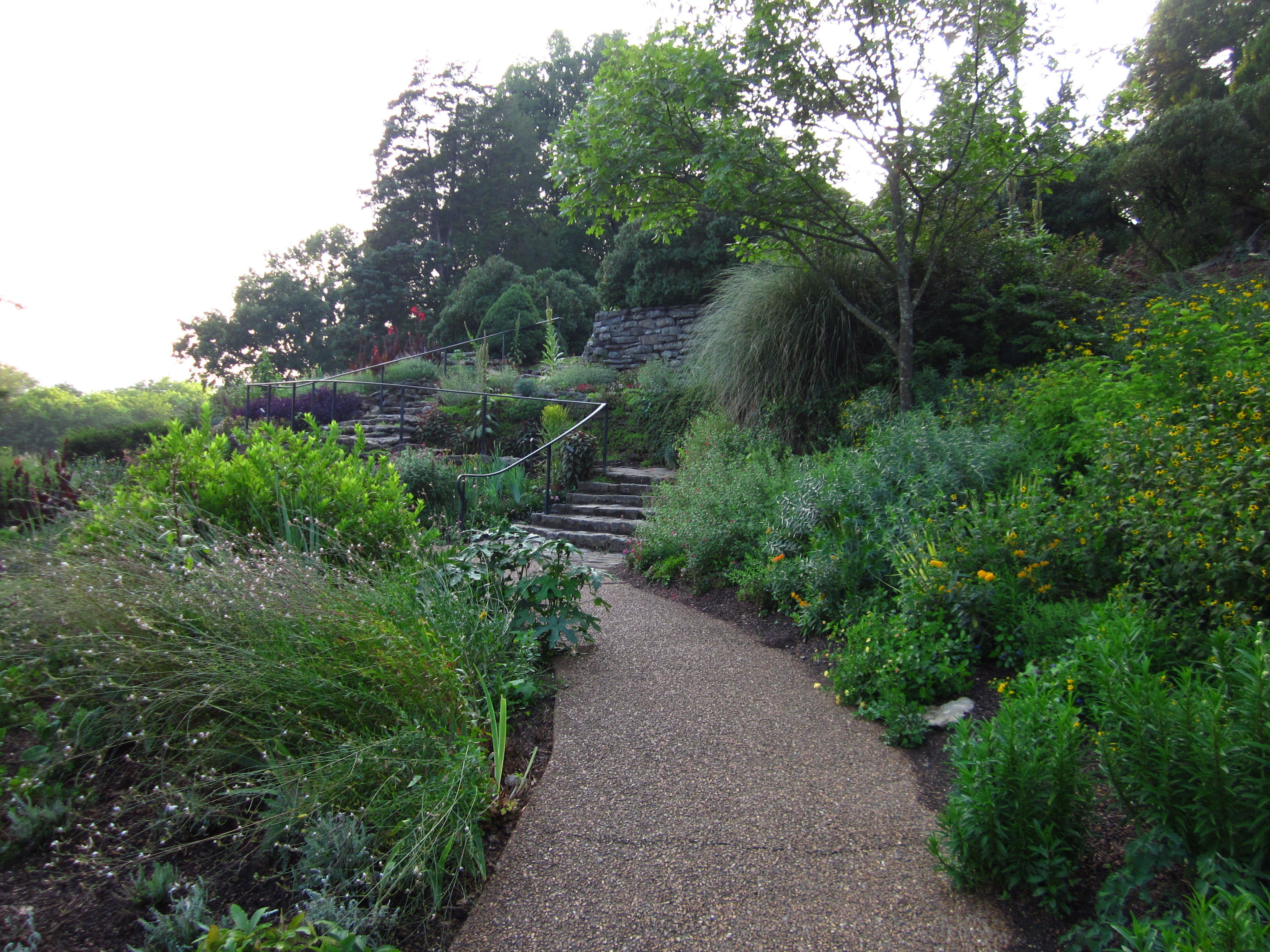
That said, you don't need a special event to visit Cheekwood.  The phenomenal gardens are brimming with life and color year round, and there's always something to see in the Museum of Art or Frist Learning Center and Contemporary Art Galleries.  I especially enjoyed walking through the Burr Terrace Garden.  The use of layering with contrasting colors, textures and shapes was really refreshing. If you're up for a hike, the Carell Woodland Sculpture Trail is full of art and wildlife.  In addition to exploring some pretty interesting displays, I crossed paths with a rabbit, turtle, two wood chucks and two deer.

Cheekwood also has plenty to keep young visitors entertained.  From the Walden Treehouse to the Trains! model train exhibit featuring Thomas the Tank Engine and friends, there is lots for the wee ones to do outdoors.  The Frist Learning Center often includes interactive art opportunities for visitors, and offers classes and camps to engage youth in the pursuit of art.

It would be remiss if I did not mention the fabulous Pineapple Room restaurant.  The Pineapple Room isn't your run of the mill garden restaurant aimed at satisfying visitor's appetites.  Many folks visit Cheekwood primarily to taste the garden gourmet.  You'll want to call ahead to make reservations to be sure you don't miss out.

Other important considerations when planning your visit:

  • Hours of operation:
    • Normally, Tuesday - Saturday 9:30 a.m. to 4:30 p.m., Sunday 11:00 a.m. to 4:30 p.m.
    • For the lights until November 10, Wednesday - Saturday 9:30 a.m. to 11:00 p.m.
    • Closed Mondays except Memorial Day and Labor Day.
    • Closed Thanksgiving, Christmas and New Year's Day.
  • Admission:
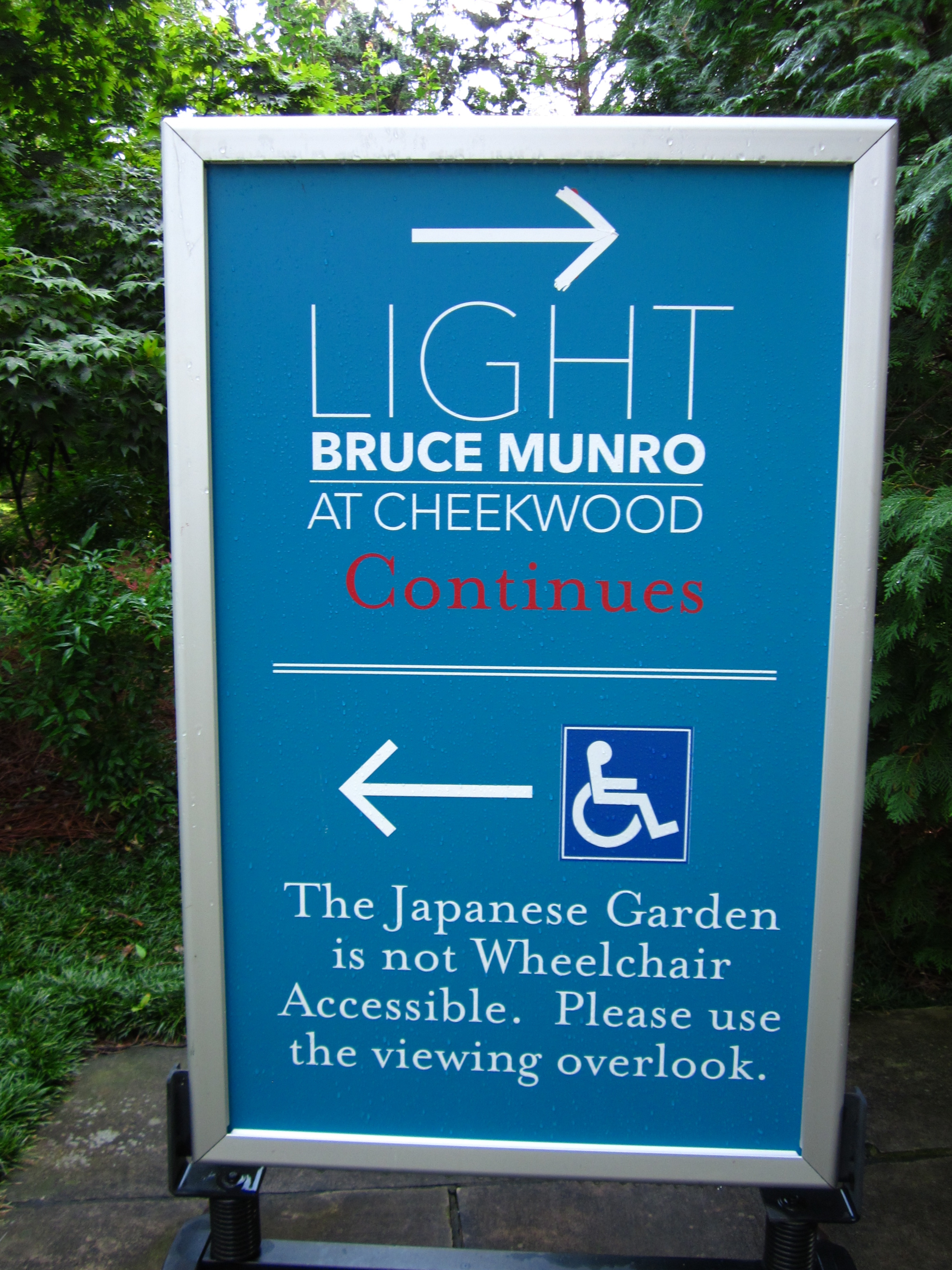
    Not all areas of the garden are wheelchair
    accessible.  Check the accessibility map for
    more information to help you plan your visit
    • Adults: $12
    • Seniors: $10
    • College Students (with ID) and Youth: $5
    • Children under 2: Free
    • Military personnel save 50% with a current ID.
    • Bruce Munro LIGHT Nights: An additional $3 after 4:30 p.m.
  • Parking: $3
  • Accessibility:
    • As a historic site, many of the garden paths are not easily accessible for wheelchairs, walkers, and strollers.  However, there are very accessible and easy to navigate paths throughout many areas where visitors can experience the most of the garden.  An accessibility map is available to help you plan your visit.
    • Shuttle transportation is available on request at any Cheekwood building.
  • Pets: Restricted to service animals only.
  • Cheekwood's "Helpful Hints" for visitors for available to review.
Special thanks to my cohort Chris for keeping me company at the light show and putting up with my incessant photography.

To see more photos of my visit to the Cheekwood Botanical Garden and Museum, check out my flickr set.

If you have any questions, ideas or suggestions, leave a comment or shoot me an email.

When is the last time that you visited a botanical garden?  What was your favorite feature?

When is the last time you visited the Cheekwood Botanical Garden?  How was your experience?

20,000 glass spheres light a dazzling display the field between Cheekwood's East Gardens and Museum of Art
Cheekwood's perennial garden is especially stunning at sunset.
I explore Cheekwood before Bruce Munro's LIGHT exhibit

Monday, December 5, 2011

Hello, and welcome to A.Plante’s Garden Review!

As a horticulturalist, I have had the opportunity to visit gardens across the country. The goal of this blog is simple: to educate readers about horticultural institutions I’ve visited. In addition to reviewing the state of the gardens themselves, I’ll also provide you with information about ADA accessibility, navigation, youth exhibits, pet admittance, and cost of admission. It isn’t my intent to write a novel about each garden (if that’s what you want, get me a book deal and we can talk). I just want my co-horts ( that’s you, my reader) to have a concise, informative resource for the next time you plan a trp to a garden.
Please feel free to email me with any comments, questions, and writing tips.
Thanks for bearing with me while I get the hang of blogging, and I’ll be seeing you later when we take a look at Alabama's Bellingrath Gardens!